German Shepherd Pitbull Mix: Temperament, Size, Care & What No One Tells You (2025 Guide)
German Shepherd Pitbull Mix: Temperament, Size, Care & What No One Tells You (2025 Guide)

There’s a dog sitting in a shelter somewhere right now — big, blocky head, alert ears (one up, one halfway), muscle under a short coat — and the card on its kennel says “German Shepherd mix.” What it doesn’t say is that the other half of that dog is American Pit Bull Terrier. And that combination might be the most underestimated, misunderstood, and honestly brilliant dog you’ve never seriously considered.
The German Shepherd Pitbull mix — called the German Pit, Shepherd Pit, or Sheppit by those who love them — is the product of two iconic working breeds. Get it right, and you have a fiercely loyal companion, a world-class exercise partner, and a dog that will make you look like a genius trainer. Get it wrong — skip socialization, ignore their massive exercise needs, or bring one home to a city with breed-specific legislation — and you’re in over your head fast.
This guide cuts through the noise. You’ll get everything: size, temperament, health, training, grooming, cost, and the legal question most guides are too nervous to address directly. By the end, you’ll know exactly whether this dog belongs in your life.
What Is a German Shepherd Pitbull Mix?
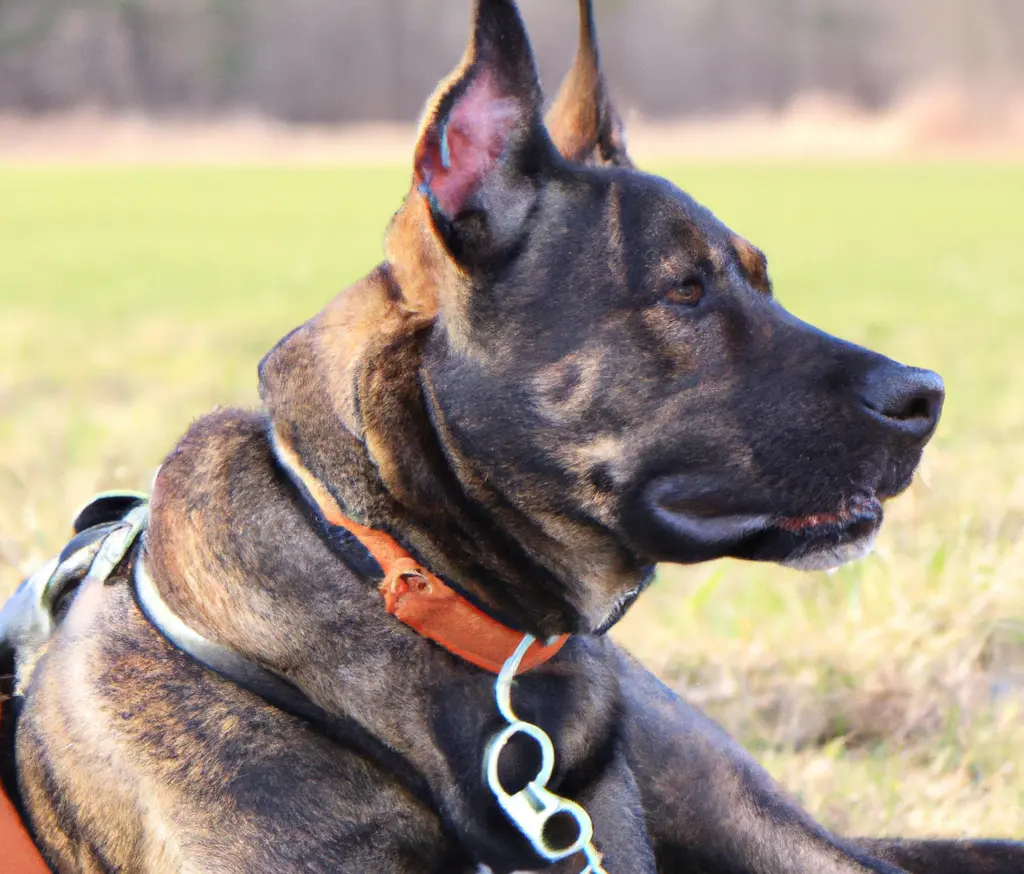
A German Shepherd Pitbull mix is a first-generation or multi-generation hybrid between a German Shepherd and an American Pit Bull Terrier (APBT). Because neither parent breed is identical in size or build, the puppies in a single litter can vary considerably — some leaning more GSD, others more Pitbull.
The breed isn’t recognized by the American Kennel Club (AKC), since it’s a hybrid rather than a standardized breed. However, individual German Shepherds and American Pit Bull Terriers are well-documented, and the mix inherits traits from both — in combinations that even experienced breeders can’t always predict.
A brief look at the parent breeds:
- German Shepherd: Developed in Germany in the late 1890s by Captain Max von Stephanitz, originally bred for herding and later widely adopted by police, military, and search-and-rescue organizations. Ranked consistently among the top three most popular breeds in the United States by AKC registration data. Characterized by intelligence, loyalty, and a strong working drive.
- American Pit Bull Terrier: Descended from Old English Bulldogs and terriers, brought to the United States in the mid-1800s. Often wrongly branded as inherently dangerous; temperament testing by the American Temperament Test Society (ATTS) has shown APBTs consistently pass at rates comparable to or exceeding Golden Retrievers. Known for affection toward family, high energy, and notable physical strength.
Together, they produce a dog with an enormous capacity for devotion, an equally enormous need for physical and mental activity, and a personality that rewards experienced, engaged owners.
Physical Characteristics
Size and Weight of the German Shepherd Pitbull Mix
| Measurement | Typical Range |
|---|---|
| Height (at shoulder) | 17–24 inches |
| Weight | 45–90 lbs |
| Build | Athletic, muscular, medium-boned |
| Lifespan | 10–12 years |
Males tend toward the higher end of both height and weight. The GSD parent typically runs larger (50–90 lbs), while the APBT typically runs 30–60 lbs, so the offspring usually land somewhere in between — though bigger-than-expected surprises are common.
Coat and Colors
This is where the genetic lottery is most visible. The German Shepherd carries a dense double coat; the APBT has a short, smooth single coat. Your German Pit will land somewhere on this spectrum:
- Short and smooth (more APBT influence): low maintenance, moderate shedding
- Medium-length and dense (more GSD influence): heavier grooming needs, significant seasonal shedding
Common coat colors: Black and tan, sable, fawn, brown, brindle, black, gray, blue, and white — or any combination. Brindle patterning (striped markings) from the Pitbull side on a black-and-tan base from the GSD side produces some genuinely striking animals.
Trait Inheritance Framework
General tendencies for a German Shepherd × American Pit Bull Terrier mix. Individual dogs may inherit traits differently.
| Trait | More Often from GSD | More Often from APBT | Variable |
|---|---|---|---|
| Intelligence | ✓ | ||
| Loyalty / Bonding | ✓ | ✓ | |
| Energy Level | ✓ | ||
| Physical Strength | ✓ | ||
| Herding Instinct | ✓ | ||
| Tenacity / Stubbornness | ✓ | ||
| Prey Drive | Varies | ||
| Affection with Family | ✓ | ✓ | |
| Coat Length | ✓ | ||
| Guarding Instinct | ✓ |
The key insight: intelligence and loyalty are almost guaranteed. Energy level, coat, and exact temperament nuances are the wildcards.
Temperament and Personality
Ask most people about a Pitbull mix and they hesitate. Ask most people about a German Shepherd and they think police dog. The German Shepherd Pitbull mix is neither stereotype — and both.
What to realistically expect:
Deeply loyal. This dog bonds hard. It will pick its people and protect them with everything it has — not necessarily through aggression, but through presence, awareness, and an almost eerie attentiveness. If you want a dog that follows you from room to room, this is it.
Intelligent to a fault. GSDs are ranked among the most intelligent dog breeds in the world by canine psychologist Stanley Coren’s seminal research on working and obedience intelligence. Add APBT tenacity, and you get a dog that figures things out fast — including how to get around rules you haven’t enforced consistently.
High-energy and driven. This is not a couch dog. Not even close. Without adequate physical and mental stimulation, these dogs develop problem behaviors: digging, chewing, barking, anxiety. They need purpose as much as they need exercise.
Affectionate with family. When properly socialized, the German Shepherd Pitbull mix is genuinely warm — often playfully goofy — with the people it loves. Many owners describe them as “velcro dogs” who want to be wherever you are.
With Children and Families
When raised with children and properly socialized from puppyhood, the German Shepherd Pitbull mix can be an outstanding family dog. Their natural protectiveness tends to extend to kids in the household. However, their size and energy mean they can accidentally knock over small children during play — supervision is always recommended, especially with toddlers.
Verdict: Good with kids in the right conditions. Never leave any large, energetic dog unsupervised with very young children.
With Other Pets
Results vary significantly. The GSD herding instinct can lead to chasing; the APBT may have elevated prey drive toward smaller animals. Dogs raised alongside other pets from puppyhood typically do well. Introducing an adult German Pit to a household with cats or small dogs requires patience and careful management.
Verdict: Can coexist with other pets; early socialization and careful introductions are non-negotiable.
Training and Socialization
Good news: this is one of the more trainable dogs you’ll encounter. Bad news: their intelligence means they need you to actually be consistent, clear, and engaging — because a bored German Pit will train you instead.
The Foundation: Early Socialization
The single most important thing you can do for a German Shepherd Pitbull mix puppy is expose it — calmly, positively, and repeatedly — to:
- A wide variety of people (ages, appearances, uniforms)
- Other dogs and animals
- Different environments (parks, busy streets, vehicles)
- Handling (vet visits, grooming routines)
The American Veterinary Society of Animal Behavior (AVSAB) recommends socialization begin as early as 7–8 weeks of age, even before the full vaccination series is complete, because the developmental window for socialization closes around 12–16 weeks.
Training Approach
Positive reinforcement is the only method that works well long-term with this mix. Aversive training methods — prong collars, punishment-based techniques — can work short-term but often create anxiety, distrust, and reactivity in sensitive, intelligent breeds. With a dog this strong and smart, you want partnership, not compliance through fear.
Key training milestones:
- Basic obedience (sit, stay, come, down, leave it) by 4–6 months
- Leash manners by 5–6 months
- AKC Canine Good Citizen (CGC) evaluation — an achievable and valuable certification for any Pitbull mix owner, particularly in BSL-adjacent areas
- Advanced obedience or a “sport” (nose work, agility, dock diving) by adulthood
Mental Stimulation Requirements
This is consistently underestimated. A physically tired German Pit that hasn’t been mentally challenged is still a frustrated German Pit. Incorporate:
- Puzzle feeders and food-dispensing toys
- “Find it” scent games
- Training sessions (10–15 minutes, 2–3 times daily)
- Regular exposure to new environments
Exercise Needs
Plan for 90 minutes to 2 hours of daily physical activity at minimum. This is not optional — it’s a behavioral management tool as much as a health requirement.
What “exercise” means for this breed:
- Off-leash running in a fenced area
- Hiking (excellent breed for trail dogs)
- Fetch, tug, and structured play
- Swimming (many love it)
- Jogging or running alongside a bicycle
What doesn’t count as real exercise:
- A lap around the yard to use the bathroom
- 20-minute leash walks
Apartment living is manageable but requires extraordinary commitment to daily outings. A house with a securely fenced yard is significantly preferable.
Health and Lifespan
The German Shepherd Pitbull mix has a typical lifespan of 10–12 years. Mixed breeds sometimes benefit from what geneticists call heterosis (hybrid vigor) — the tendency of crossbred animals to show improved health metrics compared to either parent breed. However, they can still inherit health issues from either side of the family tree.
Common Health Issues
From the German Shepherd side:
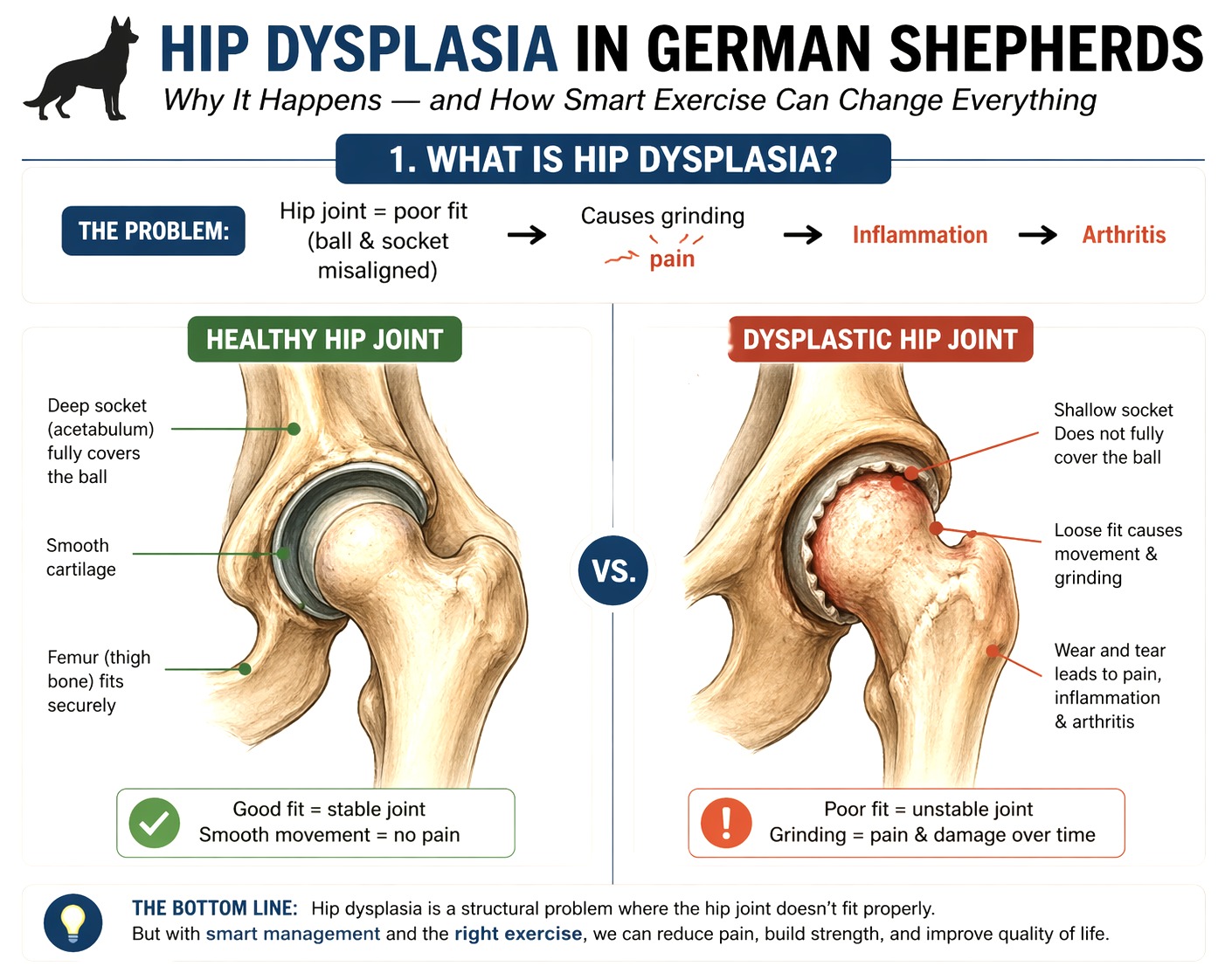
- Hip and elbow dysplasia: A structural issue where the joint doesn’t develop correctly, leading to pain and mobility problems. The Orthopedic Foundation for Animals (OFA) reports that approximately 20% of German Shepherds tested show hip dysplasia.
- Degenerative myelopathy (DM): A progressive neurological disease affecting spinal cord function. Genetically testable.
- Gastric dilatation-volvulus (GDV/Bloat): A life-threatening condition where the stomach twists. More common in deep-chested large breeds. Feeding two smaller meals per day rather than one large meal and avoiding vigorous exercise immediately after eating are key preventive steps.
- Exocrine pancreatic insufficiency (EPI): A condition affecting nutrient absorption.
From the Pitbull side:
- Skin allergies: APBTs are prone to environmental and food allergies, which can manifest as itching, hot spots, and recurring ear infections.
- Heart conditions: Some APBT lines carry hereditary heart conditions; an echocardiogram screening for breeding stock is best practice.
- Hypothyroidism
Preventive health essentials:
- Bi-annual vet visits
- OFA hip screening (especially if breeding)
- Genetic testing from both parents when buying from a breeder
- Pet insurance — strongly recommended for large-breed mixes given orthopedic risk
Grooming Requirements
Grooming needs depend primarily on whether your dog inherits a short Pit Bull coat or a denser German Shepherd coat.
| Coat Type | Brushing Frequency | Shedding Level | Bath Frequency |
|---|---|---|---|
| Short (APBT-dominant) | Weekly | Low–Moderate | Every 6–8 weeks |
| Medium/Dense (GSD-dominant) | 3–4× weekly | High (heavy seasonally) | Every 4–6 weeks |
All German Shepherd Pitbull mixes need:
- Regular nail trimming (every 3–4 weeks)
- Weekly ear checks (Pitbull ears can trap moisture)
- Tooth brushing 2–3 times weekly (dental disease affects 80% of dogs over three, per AVMA data)
- Eye cleaning as needed
Feeding and Nutrition
An adult German Shepherd Pitbull mix typically needs 2.5–4 cups of high-quality dry kibble per day, divided into two meals. Exact amounts depend on size, activity level, and specific food calorie density.
Nutrition priorities for this mix:
- High-quality animal protein as the first ingredient (chicken, beef, lamb, fish)
- Joint support: Look for formulas with glucosamine and chondroitin, or supplement separately, given the GSD hip dysplasia risk
- Omega-3 fatty acids: Particularly important if the dog inherits the APBT’s tendency toward skin issues
- Avoid grain-free formulas that have been linked to dilated cardiomyopathy in some breeds (per ongoing FDA investigation)
- Monitor for food allergies — if you notice chronic ear infections, paw licking, or skin redness, a protein rotation or elimination trial diet may be warranted
Breed-Specific Legislation: The Conversation You Need to Have
This is the section most guides skip, and it’s the one that matters most before you commit.
Breed-Specific Legislation (BSL) refers to laws that ban or restrict specific dog breeds — or dogs that look like those breeds — typically targeting Pitbull-type dogs and their mixes. As of 2025, BSL exists in hundreds of municipalities across the United States, as well as in several countries.
What this means for German Shepherd Pitbull mix owners:
- Your dog may be classified as a “Pitbull” or “Pitbull-type” dog based on appearance alone
- You could be required to muzzle the dog in public, carry liability insurance, or have your dog removed
- Certain housing (rental properties, HOAs) may have lease-level breed restrictions that are separate from local law
- Traveling across state lines can mean navigating different rules
What to do:
- Research your specific city and county laws before adopting or buying
- If you rent, read your lease carefully and contact your landlord or HOA in writing before bringing the dog home
- Consider renters or homeowners insurance that explicitly covers your breed
- Train for and pursue the AKC Canine Good Citizen (CGC) certification — it demonstrates temperament and is legally meaningful in some jurisdictions
- If you plan to move, research your destination’s laws first
The good news: BSL is widely considered ineffective at reducing dog bite incidents by major veterinary and public health organizations, including the AVMA and the Centers for Disease Control and Prevention (CDC). Many cities have repealed BSL in recent years. But you need to know the rules where you live today.
Is a German Shepherd Pitbull Mix Right for You?
The Case For
- You want an intensely loyal, highly intelligent companion
- You’re an active person who genuinely wants a dog that can keep up on runs, hikes, and adventures
- You have prior dog experience and understand breed-specific needs
- You have a securely fenced yard
- You have time for training and mental enrichment
- You’ve checked BSL and you’re clear
The Case Against
- You’re a first-time dog owner with limited training experience and no plan to hire a trainer
- You work long hours and the dog would be alone 8+ hours daily
- You live in an apartment without a commitment to twice-daily, 45-minute+ outings
- You live in a BSL area
- You have very young children and no experience with high-energy large breeds
- You want a low-maintenance, low-energy dog
Honest summary: This is a magnificent dog for the right owner. It’s a lot of dog for the wrong one. The distinction usually comes down to lifestyle, experience level, and realistic self-assessment — not love or good intentions.
Finding a German Shepherd Pitbull Mix
Adoption (Recommended First Stop)
Shelters and rescues are full of German Shepherd mixes, and a meaningful percentage are GSD/APBT crosses — often labeled simply as “Shepherd mix” due to the stigma around the Pitbull label. Key resources:
- Petfinder.com — searchable database of adoptable dogs by breed, location, and size
- ASPCA and local humane societies
- Breed-specific rescues — both GSD rescues and Pitbull rescues often have mixed breeds
Adoption fees typically range from $50–$500, which usually includes spay/neuter, vaccinations, and microchipping.
Buying from a Breeder
If you go the breeder route, expect to pay $500–$2,000 for a German Shepherd Pitbull mix puppy. Pricing varies significantly by region and pedigree quality.
Non-negotiables when evaluating a breeder:
- Health testing on both parents (OFA hip certifications for the GSD parent minimum)
- Ability to meet both parents on-site
- Clean, socialized environment for puppies
- Willingness to answer questions and provide references
- Offers a health guarantee in writing
Avoid online-only sellers, pet stores, and anyone who can deliver a puppy via shipping without requiring a site visit — these are red flags for puppy mills.
Key Statistics (2023–2025)
- According to the American Pet Products Association (APPA) National Pet Owners Survey 2023–2024, approximately 66% of U.S. households own a pet, with dogs present in 44% of homes — the largest category. The pet industry reached over $147 billion in spending in 2023.
- The Orthopedic Foundation for Animals (OFA) reports that German Shepherds have one of the higher hip dysplasia rates among large breeds, with roughly 20% of tested dogs showing dysplasia — a figure that directly informs the German Pit’s health risk profile.
- The American Temperament Test Society (ATTS) reports that the American Pit Bull Terrier passes temperament testing at a rate above 87%, a number that consistently outperforms many breeds considered “family-friendly.”
- The AVMA and CDC both position breed of dog as a poor predictor of individual bite risk, with factors such as socialization history, individual temperament, and owner behavior being far stronger predictors — a position with significant implications for BSL policy.
- A 2023 study published in Scientific Reports found that visual breed identification of dogs by shelter staff and the public was inaccurate the majority of the time, with dogs labeled as “Pitbull mixes” often having little or no Pitbull genetics on DNA testing — directly relevant to BSL enforcement accuracy.
Conclusion: The German Shepherd Pitbull Mix in Summary
The German Shepherd Pitbull mix is a breed that punishes assumptions and rewards preparation. It is not the dangerous hybrid some fear, nor is it the magic easy-going companion some optimistic first-time owners hope for. It’s a working dog through and through — driven, loyal, intelligent, and constantly looking for something purposeful to do.
Give this dog consistent training, real socialization, genuine exercise, quality nutrition, and an engaged owner, and you will have a companion that is arguably unmatched in devotion and capability. Skip any of those things, and you’ll have a frustrated, under-stimulated dog that becomes difficult quickly.
If you’ve made it through this guide and find yourself more excited than daunted, that’s actually the right signal. The German Shepherd Pitbull mix has an incredible capacity for partnership — it just wants to know you’re serious about showing up for it.
Actionable next steps:
- Research BSL in your city and county today — before anything else
- If you rent, review your lease and contact your landlord
- Visit your local shelter and ask specifically about “Shepherd mixes”
- Connect with a certified professional dog trainer (CPDT-KA) before or right after bringing the dog home
- Budget for pet insurance from day one
German Shepherd Pitbull Mix Quick Stats Comparison
Side-by-side comparison of the German Shepherd, American Pit Bull Terrier, and their mixed offspring.
| Attribute | German Shepherd | Pitbull (APBT) | German Pit Mix (Typical) |
|---|---|---|---|
| Weight | 50–90 lbs | 30–60 lbs | 45–90 lbs |
| Height | 22–26 inches | 17–21 inches | 17–24 inches |
| Lifespan | 9–13 years | 8–15 years | 10–12 years |
| Intelligence Rank (Coren) | #3 | Not AKC ranked | High |
| Energy Level | High | High | Very High |
| Shedding | Heavy | Low | Low to Heavy |
| Trainability | Excellent | Good | Excellent |
| Family Friendliness | High | High | High (with training) |
Key takeaway: The German Pit lands predictably in the middle on size metrics, but inherits the high trainability of the GSD and the physical drive of the APBT — a combination that produces a dog that’s both highly capable and highly demanding.
German Shepherd Pitbull Mix Monthly Cost Estimate
Typical monthly expenses for caring for an adult German Shepherd Pitbull mix.
| Cost Category | Monthly Estimate (USD) |
|---|---|
| Food (quality large-breed kibble) | $60–$100 |
| Preventive care (amortized) | $30–$50 |
| Flea, tick & heartworm prevention | $15–$25 |
| Grooming (home or professional) | $20–$60 |
| Toys and enrichment | $15–$30 |
| Pet insurance | $40–$80 |
| Monthly Total (Estimate) | $180–$345 |
First-year costs are substantially higher, including spay/neuter, initial vet workup, vaccination series, crate, leash, collar, and training classes.
FAQ SECTION
Q1: Is a German Shepherd Pitbull mix a good family dog? Yes — with the right preparation. German Shepherd Pitbull mixes are loyal, affectionate, and protective of their families. When properly socialized from puppyhood and given consistent training, they typically do well with children and adults alike. Supervision with very young children is always recommended due to the dog’s size and energy level. This is a high-effort, high-reward family dog.
Q2: How big does a German Shepherd Pitbull mix get? Most German Shepherd Pitbull mixes reach 45–90 lbs and stand 17–24 inches at the shoulder. Males tend to be larger. Because parent sizes vary, there’s real range within the mix. Expect a medium-to-large, athletic, muscular dog — not a petite animal.
Q3: Are German Shepherd Pitbull mixes illegal anywhere? Yes, potentially. Many cities and municipalities have breed-specific legislation (BSL) that restricts or bans Pitbull-type dogs, and “Pitbull mix” animals are often included. Before adopting or buying a German Shepherd Pitbull mix, research your local laws, your rental lease or HOA rules, and your homeowners or renters insurance policy. Laws vary widely by location.
Q4: How much exercise does a German Shepherd Pitbull mix need? Plan for 90 minutes to 2 hours of physical activity per day, plus mental stimulation (training sessions, puzzle feeders, scent work). This is a high-energy working-breed mix. Insufficient exercise is the leading cause of problem behaviors in this breed — destructive chewing, excessive barking, anxiety, and digging.
Q5: How long do German Shepherd Pitbull mixes live? The typical lifespan is 10–12 years. Mixed breeds sometimes benefit from hybrid vigor (heterosis), but they can still inherit health issues from both parent breeds, including hip dysplasia, skin allergies, and bloat. Preventive veterinary care, quality nutrition, and a healthy weight are the most controllable factors in lifespan.
Q6: Are German Shepherd Pitbull mixes hard to train? No — they’re actually among the more trainable mixed breeds, given the German Shepherd’s extraordinary working intelligence. However, they’re not push-button robots. They need consistency, engagement, and positive reinforcement. An owner who is clear, fair, and persistent will have an excellent training experience. Sporadic or punishment-based training tends to backfire with this mix.