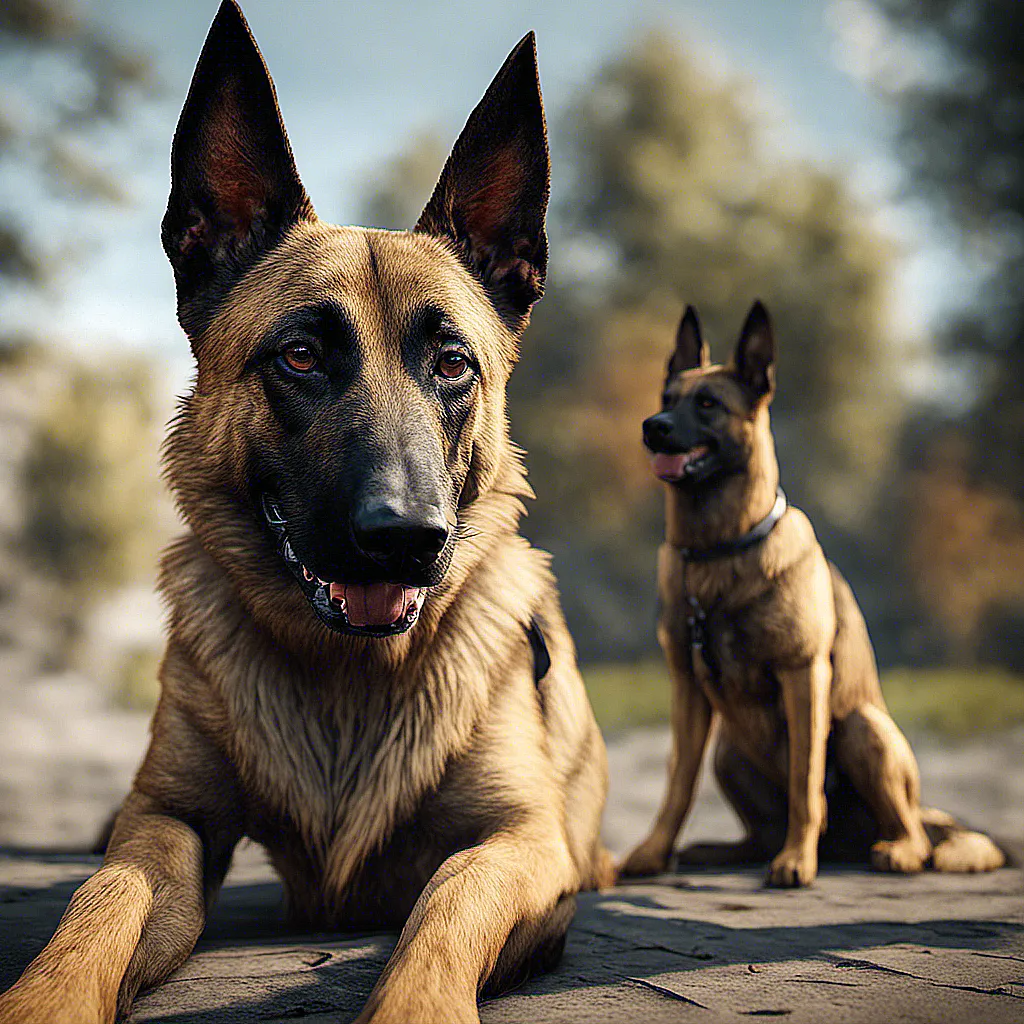
Husky German Shepherd Mix: The Complete 2026 Guide to the Gerberian Shepsky
A few months back, a woman on Reddit posted DNA results for her dog expecting a tidy 50/50 husky-shepherd split. Instead the test came back nearly half Siberian husky, just under a third German shepherd, and almost a fifth Belgian Malinois — a breed nobody saw coming. The dog combined the sociable, family-oriented husky temperament with the confidence of a German shepherd, plus the athletic, work-driven streak of a Malinois. Her owner described the personality as “SO UNIQUE,” and honestly, that story sums up this whole breed mix pretty well: you think you know what you’re getting, and then real life (or a cheek swab) surprises you.
If you’re considering a husky German shepherd mix — sometimes called a Gerberian Shepsky, German Husky, or Shepsky — this guide covers what you’ll actually need to know: size, temperament, real health statistics, true cost in 2026, and whether your home is actually set up for one of these dogs. No fluff, no guessing.
What Is a Husky German Shepherd Mix, Exactly?
A husky German shepherd mix is a crossbreed between a purebred Siberian Husky and a purebred German Shepherd Dog. It’s not recognized by the AKC (since it’s not a purebred line), but it is recognized by hobbyist registries like the Dog Registry of America and the American Canine Hybrid Club under the nickname “Gerberian Shepsky.”
The mix isn’t a recent invention — crossbreeding between working dogs has happened informally for decades — but it’s only become a “named” designer breed in the last 30-ish years, as crossbred dogs with cute portmanteau names started getting more attention online.
Why DNA Tests Are Changing What People Think They Know
Here’s something most breed guides skip entirely: a huge number of dogs sold or adopted as “husky German shepherd mix” puppies aren’t actually a clean two-breed cross. Multi-generation breeding (where an F1 mix is bred back to another mix, or to a third breed entirely) is common, and a lot of backyard breeders genuinely don’t know what’s in the litter beyond “looks husky-ish.”
That viral Reddit case is a good real-world example — the dog’s actual DNA test showed 49 percent Siberian husky, 31.7 percent German shepherd, and 19.3 percent Belgian Malinois, despite the owner originally being told it was a straightforward husky-shepherd mix. As home DNA kits get cheaper and more popular, expect more owners to discover their “Shepsky” is actually carrying Malinois, husky-Malamute, or working-line shepherd genetics they weren’t told about. If breed-specific traits really matter to you (say, for apartment living or training plans), a DNA test is honestly worth the $70–$130 before — or right after — you commit.
Husky German Shepherd Mix Appearance: What Will Your Dog Look Like?
This is genuinely one of the most unpredictable parts of the mix. Because the two parent breeds look fairly different, puppies in the same litter can come out looking almost entirely husky, almost entirely shepherd, or somewhere in the middle.
Common physical traits include:
- Height: Roughly 20–25 inches at the shoulder, with males running larger than females
- Weight: Typically 45–88 lbs, depending on which parent breed dominates
- Coat: A dense double coat — sometimes closer to the husky’s straight topcoat, sometimes closer to the shepherd’s coarser fur
- Eyes: Can inherit the husky’s piercing blue eyes, the shepherd’s brown eyes, or heterochromia (one of each color)
- Ears: Almost always upright and alert, a trait both parent breeds share
- Coloring: Black and tan, sable, grey and white, solid black, or the classic shepherd “saddleback” pattern with husky facial masking
For reference, a purebred female German shepherd typically weighs between 50 and 70 pounds, so a mix leaning heavily shepherd will sit toward the upper end of that range, while a husky-dominant pup will run leaner and a bit shorter.
Temperament & Personality: Is the Shepsky Right for You?
7 Personality Traits of the Husky German Shepherd Mix
- Highly intelligent — both parent breeds rank near the top of working-dog intelligence lists, which means this mix learns fast but also gets bored fast.
- Loyal, sometimes to a fault — expect strong attachment to their household, and possible wariness around strangers.
- Vocal — huskies are famous talkers (think howls, “woo woo” sounds, and the occasional dramatic yapping), and that trait shows up often in the mix.
- Independent streak — courtesy of the husky side, which was bred to problem-solve on its own out on the trail, not to wait for instructions.
- Protective instincts — inherited from the shepherd side, this dog will usually alert-bark at anything unusual.
- Pack-oriented — these dogs generally do better with company (human or canine) than left alone for long stretches.
- Playful well into adulthood — neither parent breed matures into a couch potato quickly.
Energy Level and Exercise Needs
This is not a low-energy dog, full stop. Both parent breeds were built for serious physical work — herding and guarding on one side, pulling sleds for miles on the other. Most husky shepherd mixes need at least 60–90 minutes of real exercise daily: running, hiking, structured play, or mentally demanding training. Skip this and you’ll likely deal with destructive chewing, escape attempts, or excessive barking.
Good With Kids and Other Pets?
Generally yes, especially with early socialization — but supervision matters. Both parent breeds are large, strong, and were bred for purpose-driven work rather than passive companionship, so impulse control around small kids or smaller pets needs active training, not just hoping for the best.
Husky German Shepherd Mix Health: What the Data Actually Says
Most breed guides describe health risks in vague terms (“can be prone to hip issues”). Let’s actually look at the numbers, since the German shepherd side of this mix carries some well-documented risk.
Hip and Elbow Dysplasia
Using OFA’s long-term database, 20.4 percent of German shepherds screened between 1974 and 2015 tested positive for hip dysplasia, based on 23,650 affected dogs out of 115,933 screened. The more encouraging news: in German shepherds born specifically between 2011 and 2015, the dysplasia rate dropped to 18 percent, suggesting decades of selective breeding are slowly helping. Elbow dysplasia adds another layer of risk — roughly 18.7 percent of German shepherds evaluated by OFA showed elbow dysplasia, out of nearly 61,000 evaluations, which together puts the rough odds at about 1 in 5 German shepherds developing hip and/or elbow dysplasia at some point.
Now, a mixed-breed puppy doesn’t automatically inherit this at the same rate — crossbreeding can introduce genetic diversity that lowers risk (this is the “hybrid vigor” idea), but it doesn’t erase it either, especially if both parents carry the same recessive joint issues. Ask any breeder for OFA or PennHIP clearances on both parent dogs before you commit.
5 Health Issues to Watch For
- Hip and elbow dysplasia — covered above, the most common issue inherited from the shepherd side
- Degenerative myelopathy — a progressive spinal disease more common in German shepherd lines
- Eye conditions — including progressive retinal atrophy and cataracts, more associated with the husky side
- Bloat (gastric torsion) — a risk for any deep-chested large breed, requiring emergency care if it happens
- Zinc-responsive dermatosis — a husky-linked skin condition tied to zinc absorption issues
Lifespan
Most sources put the average lifespan of a husky German shepherd mix between 10 and 13 years, with well-cared-for dogs occasionally reaching into their mid-to-late teens. As with most large mixed breeds, diet, weight management, and joint care in the first two years have an outsized impact on how long (and how comfortably) your dog lives.
How Much Does a Husky German Shepherd Mix Cost in 2026?
Here’s where competitor pricing gets genuinely confusing — and it’s because they’re comparing apples to oranges. Adoption fees, casual breeder pricing, and “premium pedigree” pricing are three totally different markets.
- Shelter/rescue adoption: Around $50–$300, which usually already includes vaccines and spay/neuter
- Average backyard or small-scale breeder: Roughly $500–$1,000 per puppy
- Breeders advertising “purebred” or papered lineage: Average around $1,770, with premium bloodlines running $1,500 to over $5,000
That spread isn’t a typo — it genuinely reflects how unregulated designer-mix pricing is, since there’s no official breed standard or registry enforcing it.
It’s also worth budgeting beyond the purchase price. Across the broader dog-owning population, pet spending rose roughly 7–10 percent in 2025, with the average first-year cost of owning a dog — food, vet visits, gear, training — landing somewhere between $1,150 and $4,420. Given this mix’s size and exercise needs, you should expect to land toward the higher end of that range, not the low end.
Adoption vs. Breeder: Which Should You Choose?
If your priority is cost and you’re comfortable with an unknown exact lineage, adoption is the clear winner — shelters and breed-specific rescues regularly take in husky and shepherd mixes, since both parent breeds are commonly surrendered due to their exercise needs. If you specifically want predictable temperament traits or health clearances on the parents, a reputable breeder (with OFA/PennHIP documentation) is worth the premium — just verify it, don’t take their word for it.
Training Tips for a Husky German Shepherd Mix
- Start socialization and basic obedience as early as 8 weeks — this breed mix is smart but stubborn, and bad habits set in fast.
- Keep training sessions short and varied; both parent breeds get bored with repetition quickly.
- Use positive reinforcement, not dominance-based methods — huskies in particular tend to shut down or dig in their heels under harsh corrections.
- Crate train early, both for housebreaking and for managing the breed’s occasional destructive streak.
- Invest in a secure, tall fence — huskies are escape artists, and this trait shows up in the mix often.
- Teach a rock-solid recall before off-leash freedom; the husky’s prey drive and wanderlust don’t disappear just because there’s shepherd in the mix.
- Give them a “job” — nose work, agility, weight-pulling, or advanced obedience all help burn mental energy.
- Be consistent across the household — mixed signals confuse a dog this intelligent fast, and it’ll exploit the gap.
Grooming and Maintenance
This is a heavy-shedding breed mix, full stop. With a double coat from both sides, expect significant shedding twice a year during seasonal coat blow, plus moderate shedding the rest of the time. Brush 2–3 times weekly normally, and closer to daily during shedding season unless you enjoy finding fur in your coffee. Bathing should be occasional rather than frequent — over-bathing strips the natural oils this coat type relies on.
Living Conditions: Apartment or House?
Technically possible in an apartment if you’re committed to multiple long walks and active enrichment daily — but realistically, this mix does best with yard access and an active household. Apartment living without serious exercise compensation tends to produce a frustrated, vocal, occasionally destructive dog, which isn’t fair to the animal or your downstairs neighbors.
7 Signs This Mix Might (or Might Not) Be Right for You
- You enjoy daily outdoor activity, not just occasional weekend hikes ✅
- You have prior experience with strong-willed or working breeds ✅
- You’re home most of the day or can provide consistent companionship ✅
- You want a low-shedding or low-maintenance dog ❌
- You’re a first-time dog owner looking for something laid-back ❌
- You live in a small space with no nearby parks or trails ❌
- You’re prepared for vet costs related to joint health down the line ✅
Where to Find a Husky German Shepherd Mix
Check breed-specific rescues for German shepherds and huskies first — mixes show up there constantly, since both purebred parents are commonly surrendered. If going the breeder route, ask directly for OFA hip/elbow clearances, vaccination records, and — given everything covered above — consider requesting (or doing) a DNA panel once your puppy is home, just so you actually know what you’re working with.
| Trait | Siberian Husky | German Shepherd | Husky-Shepherd Mix |
|---|---|---|---|
| Average Height | 20–23.5 in | 22–26 in | 20–25 in |
| Average Weight | 35–60 lbs | 50–90 lbs | 45–88 lbs |
| Lifespan | 12–14 years | 9–13 years | 10–13 years |
| Energy Level | ⚡ Very High | ⚡ High | ⚡ Very High |
| Shedding | Heavy (seasonal) | Heavy (year-round) | Heavy (seasonal + year-round) |
| Trainability | Moderate (independent) | High (eager to please) | Moderate–High |
| Hip Dysplasia Risk | Lower | ~18–20% | Moderate (varies by parent lines) |
| Guarding Instinct | Low | High | Moderate–High |
| Vocalization | Very High (howling) | Moderate (alert barking) | High |
| Best For | Experienced, active owners | First-time owners willing to train | Experienced, very active owners |
This chart reflects general breed averages compiled from AKC breed standards and OFA health screening data; individual dogs — especially mixes — can vary significantly.
FAQ Section
How big does a husky German shepherd mix get?
Most reach 20–25 inches tall and 45–88 lbs as adults, though males typically run larger than females and dogs with more shepherd ancestry tend to weigh more.
Are husky German shepherd mixes good family dogs?
Yes, with proper socialization — they’re loyal and protective, but their high energy and strong instincts mean they do best in active households with experience handling large working breeds.
How much exercise does a Gerberian Shepsky need?
Plan on 60–90 minutes of real physical and mental exercise daily. Both parent breeds were bred for sustained work, and under-exercised dogs tend to develop behavioral issues.
Do husky German shepherd mixes shed a lot?
Yes, significantly. Expect heavy seasonal shedding from the double coat, with brushing needed 2–3 times a week (daily during shedding season).
What is the average lifespan of a husky German shepherd mix?
Typically 10 to 13 years, though some individual dogs live longer with good genetics, diet, and joint care.
How much does a husky German shepherd mix cost?
Adoption fees run roughly $50–$300, while breeder puppies range from $500 for casual breeders up to $1,500–$5,000+ for documented, health-tested lineage.