
7 Serious Causes of Cloudy Eyes in German Shepherds
Cloudy eyes in dogs can be a distressing sight for any pet owner, often signaling underlying health issues that demand prompt veterinary attention. This guide delves into the various causes, symptoms, and treatments for canine eye diseases, providing crucial information to help you protect your furry friend’s vision. From cataracts to glaucoma, understanding these conditions is paramount for early intervention and effective management. Many different factors can contribute to cloudiness in the eyes, ranging from simple irritation to serious medical problems requiring immediate care. It is essential to recognize the early signs to prevent progression and preserve your dog’s quality of life. Exploring resources like comprehensive guides on German Shepherd care can offer specific insights into breed-predisposed conditions and overall dog health.
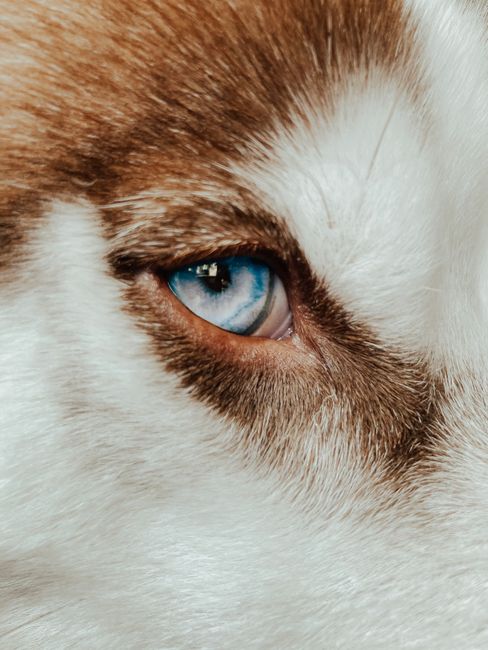
A close-up image of a dog’s cloudy eye, showing a white or blue haze over the pupil.
In-Depth Exploration: Common Causes and Treatment for Cloudy Eyes in Dogs
Understanding the root causes of cloudy eyes in dogs is the first step towards effective treatment. Cloudiness can stem from a variety of sources, impacting different parts of the ocular structure, including the cornea and the lens. For instance, cataracts are a common cause of vision impairment, especially in senior dogs, leading to a noticeable opacity in the lens. However, distinguishing cataracts from other conditions like nuclear sclerosis is vital for accurate diagnosis and tailored treatment. Each medical problem affecting the eye requires a specific approach, from topical medications to surgical interventions. Comprehensive eye treatment plans are often developed with insights from veterinary specialists.

A veterinary ophthalmologist examining a dog’s eye with specialized equipment, highlighting careful diagnosis.
First Major Topic: Decoding the Causes of Cloudy Cornea and Cloudy Lens in Dogs
The causes of cloudy eyes in dogs are diverse, often involving either the cornea or the lens. A cloudy cornea might indicate conditions such as corneal edema, dystrophy, or ulcers, which can significantly affect a dog’s vision. Conversely, a cloudy lens typically points towards cataracts or nuclear sclerosis, both of which reduce visual acuity. Identifying the specific area of cloudiness is crucial for accurate diagnosis. For example, a sudden onset of a white or blue haze in one or both eyes, accompanied by pawing at the eye or swelling, could suggest an acute issue like glaucoma or an eye injury. Understanding these distinctions requires detailed examination by a professional.
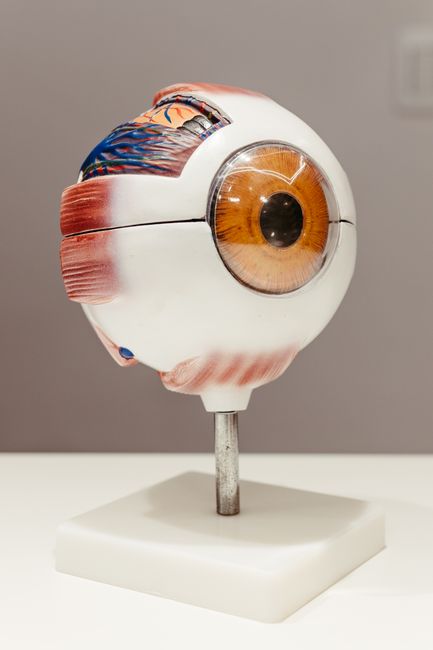
An illustrative diagram showing the anatomy of a dog’s eye, distinguishing the cornea and lens.
Understanding the Nuances of the Eye’s Lens and Cornea in Canine Vision
The lens and cornea play distinct yet equally critical roles in a dog’s vision. The cornea, the outermost transparent layer, is responsible for protecting the eye and focusing light. Any damage or disease affecting the cornea, such as corneal dystrophy or ulcers, can lead to cloudy eyes and significant discomfort. The lens, located behind the iris, focuses light onto the retina, and its transparency is essential for clear vision. Conditions like cataracts cause opacities in the lens, severely impacting the dog’s ability to see. Differentiating between problems affecting these two structures is foundational for proper eye treatment.

A magnified view of a dog’s eye lens, illustrating both a clear lens and one affected by cataracts.
Key Facts About Nuclear Sclerosis vs. Cataracts in Senior German Shepherds
Nuclear sclerosis, also known as lenticular sclerosis, is a common eye condition in senior dogs, including older German Shepherds, characterized by a blue-grey haze in the lens due to increased lens density. While it causes cloudiness, it generally doesn’t severely impair vision. In contrast, cataracts involve a true opacity of the lens, significantly reducing vision. It’s crucial for owners to understand this distinction. Cataracts can be congenital, senile, or a result of underlying diseases like diabetes, whereas nuclear sclerosis is primarily an aging process. Early diagnosis helps differentiate these two and guides appropriate management for the dog’s vision.

Side-by-side comparison images of a dog’s eye with nuclear sclerosis and another with advanced cataracts.
Important Factors: How Corneal Dystrophy Affects Your Dog’s Vision
Corneal dystrophy is a group of hereditary conditions that cause opacities in the cornea, leading to cloudy eyes and potentially affecting a dog’s vision. Unlike injuries or infections, corneal dystrophies are typically genetic and manifest as a white, gray, or bluish haze on the corneal surface. While some forms are asymptomatic, others can cause pain, inflammation, and significant vision impairment. Specific breeds, including several larger dogs, are predisposed to various forms of this condition. Regular veterinary check-ups are essential for detecting these changes early and implementing strategies to manage any discomfort or reduced vision, ensuring the dog maintains optimal eye health.

A schematic showing different types of corneal opacities caused by dystrophy in a dog’s eye.
Detailed Analysis of Specific Eye Diseases Leading to Cloudy Eyes and Cataracts
Beyond general cloudiness, specific eye diseases often lead to more severe conditions like cataracts and significant vision impairment. Glaucoma, for instance, is a painful condition characterized by increased pressure within the eye, which can rapidly lead to irreversible vision loss and a cloudy eye appearance. Another significant contributor to cloudy eyes is anterior uveitis, an inflammation of the internal structures of the eye, which can cause pain, redness, and a hazy cornea. Proper identification of these conditions is paramount. For those pursuing a career in veterinary ophthalmology, learning more about the academic pathways at allied health schools can provide the necessary foundation for diagnosing and treating such complex animal eye diseases.
An infographic detailing various canine eye diseases and their respective symptoms and effects.
Important Factors: How Corneal Dystrophy Affects Your Dog’s Vision
Distinguishing between glaucoma and dry eye (keratoconjunctivitis sicca or KCS) from other eye problems is vital due to their differing prognoses and treatments. Glaucoma is an emergency condition causing extreme pain and rapid, irreversible vision loss, often presenting with a cloudy eye, dilated pupil, and a swollen appearance. Dry eye, on the other hand, results from insufficient tear production, leading to chronic irritation, a dull or cloudy cornea, and frequent blinking. While both can cause a cloudy appearance, the underlying medical causes and urgency of treatment differ significantly. Accurate diagnosis often involves specific tests like tonometry for glaucoma and the Schirmer Tear Test for dry eye.
A comparative chart highlighting the symptoms and diagnostic methods for glaucoma and dry eye in dogs.
Best Practices for Addressing Ulcers and Anterior Uveitis in Dogs
Corneal ulcers and anterior uveitis are serious eye conditions that can cause significant discomfort and potentially permanent vision impairment if not addressed promptly. For corneal ulcers, which are open sores on the cornea, immediate veterinary attention is crucial to prevent infection and deeper damage. Treatment typically involves topical antibiotics, pain relief, and sometimes a protective contact lens. Anterior uveitis, an inflammation inside the eye, requires anti-inflammatory medications, usually topical steroids, to reduce inflammation and pain. Both conditions can manifest with a cloudy eye, redness, and excessive tearing or blinking. The goal is always to relieve discomfort, treat the underlying cause, and restore the dog’s vision as much as possible.

A dog receiving eye drops from an owner, illustrating the application of medication for eye conditions.
Second Major Topic: Advanced Diagnosing and Treating Cloudy Eyes in Dogs
Advanced diagnostic techniques are crucial for pinpointing the exact cause of cloudy eyes in dogs, enabling veterinarians to formulate effective treatment plans. Beyond routine examinations, specialists utilize sophisticated tools such as slit-lamp biomicroscopy, ocular ultrasonography, and electroretinography (ERG) to assess the internal structures of the eye and the retina’s function. These advanced methods help in distinguishing between various conditions like cataracts, glaucoma, and corneal dystrophies, especially when multiple medical problems are present. Such precision in diagnosis ensures that dogs receive the most appropriate and timely intervention, ultimately improving their chances of preserving vision and overall eye health.

A veterinarian performing an ocular ultrasound on a dog’s eye, showcasing advanced diagnostic tools.
Your Definitive Implementation Guide: Diagnosing Cloudy Eyes in Your Dog
Diagnosing cloudy eyes in your dog involves a systematic approach, starting with a thorough physical examination and detailed history. Your vet will conduct several specific ophthalmic tests. The Fluorescein Stain Test identifies corneal ulcers by revealing damaged areas on the cornea. The Schirmer Tear Test measures tear production, essential for diagnosing dry eye syndrome. Tonometry assesses intraocular pressure, critical for detecting glaucoma. These tests, combined with careful observation of symptoms like pawing at the eye, redness, or a visible white or blue haze, provide a comprehensive picture. For those looking to excel in such specialized fields, exploring programs that foster developing professional skills can be highly beneficial for future veterinarians and technicians.

A veterinarian performing a fluorescein stain test on a dog’s eye, showing the diagnostic process.
Important Factors: How Corneal Dystrophy Affects Your Dog’s Vision
Identifying corneal ulcer symptoms in dogs requires careful observation. Initially, you might notice your dog frequently pawing at the eye, squinting, or showing increased tear production. The eye may appear red and irritated, and in more severe cases, a visible white or blue haze or opacity might develop on the cornea. Your veterinarian will typically use a fluorescein stain, which adheres to areas where the corneal surface is compromised, glowing under a special blue light to reveal the ulcer’s size and depth. This simple yet effective diagnostic tool is crucial for confirming the presence of an ulcer and guiding the immediate treatment plan.
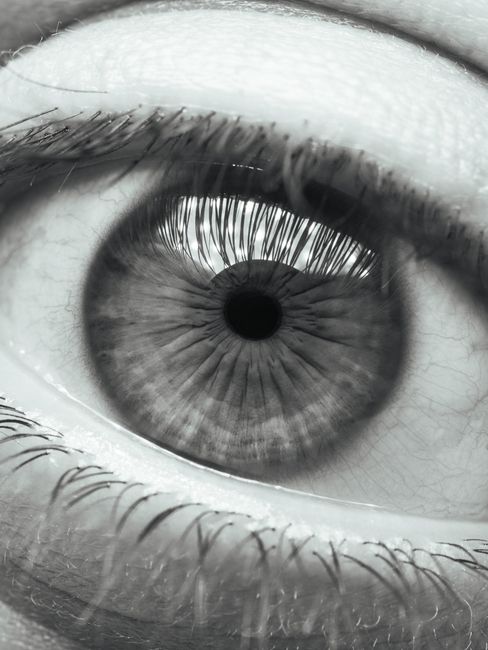
A series of images depicting the progression of a corneal ulcer and its visual identification.
Common Challenges in Early Detection of Glaucoma and Cataracts
Early detection of glaucoma and cataracts in dogs presents several challenges, primarily because dogs often hide signs of pain or vision impairment until the conditions are advanced. Glaucoma can progress rapidly, causing irreversible damage within hours, making its subtle initial symptoms easy to miss. Cataracts, while slower to develop, might only become noticeable when vision is significantly affected. Owners may mistake a milky appearance for benign nuclear sclerosis, delaying veterinary attention. Regular veterinary check-ups, especially for breeds predisposed to these eye problems, are essential. Educational resources and tutors from platforms like educational support for complex subjects can help owners understand these nuances and advocate for their pets’ health.

A graphic illustrating the subtle early signs of glaucoma and cataracts that owners might overlook.
Revolutionary Advanced Techniques for Treating Canine Eye Diseases
The field of veterinary ophthalmology is continually advancing, offering revolutionary treatments for canine eye diseases that were once untreatable. For cataracts, phacoemulsification, a surgical procedure where the cloudy lens is broken up with ultrasonic waves and removed, followed by the implantation of an artificial lens, is highly effective. Glaucoma management has also seen strides with new medications and surgical shunts to reduce intraocular pressure. These advanced techniques aim not only to treat the immediate medical problems but also to restore the dog’s vision and improve their quality of life. Such specialized care ensures that even complex cases of cloudy eyes receive the best possible outcomes.
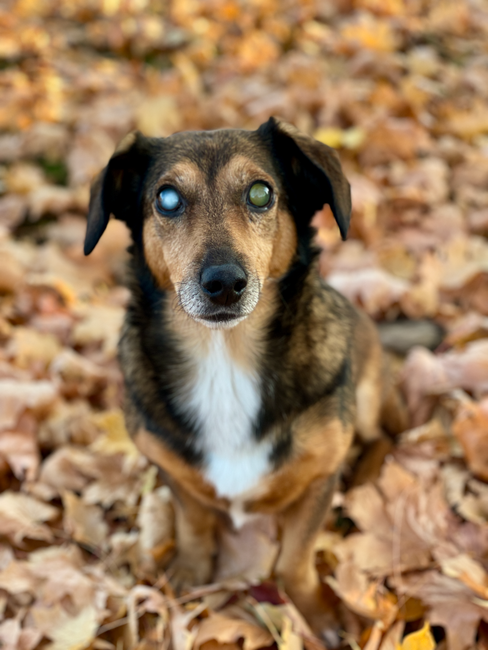
An animation demonstrating the phacoemulsification process for cataract removal in a dog’s eye.
Expert Tips from a Veterinary Eye Specialist for Optimal Outcomes
Veterinary eye specialists emphasize several key tips for achieving optimal outcomes in treating cloudy eyes and other canine eye diseases. First, never hesitate to seek professional help at the first sign of any eye problem, as early intervention is critical, especially for conditions like glaucoma. Second, consistent follow-up care and adherence to medication schedules are paramount post-treatment. Third, maintaining excellent overall dog health, including a balanced diet and regular exercise, supports ocular health. They also recommend avoiding self-diagnosis through unreliable sources online. For further insights on digital presence and information dissemination, understanding resources such as effective online content strategies can be helpful for both professionals and pet owners alike.

A veterinary eye specialist providing consultation to a dog owner about eye care, emphasizing expert advice.
Critical Elements: Distinguishing Glaucoma and Dry Eye from Other Conditions
Optimizing treatment for glaucoma and management of corneal dystrophy involves a multifaceted approach tailored to each dog’s specific condition. For glaucoma, strategies include a combination of topical medications to reduce intraocular pressure, potentially coupled with laser therapy or surgical implants to maintain long-term control and preserve vision. Regular monitoring of eye pressure is non-negotiable. For corneal dystrophy, management focuses on alleviating symptoms, preventing secondary infections, and using topical agents to improve corneal clarity where possible. While genetic, supportive care can significantly improve the dog’s comfort and slow the progression of vision impairment.

A chart illustrating different treatment pathways and optimization strategies for glaucoma and corneal dystrophy.
Third Major Topic: Preventing and Managing Cloudy Eyes in Senior German Shepherds
Preventing and managing cloudy eyes in senior German Shepherds requires a proactive and vigilant approach, recognizing their increased susceptibility to certain eye problems like cataracts and nuclear sclerosis due to aging. Regular veterinary check-ups are paramount, ideally every six months, to detect any subtle changes in vision or ocular structure. Owners should also be observant for symptoms such as a sudden white or blue haze, frequent blinking, or pawing at the eye. Early intervention for any signs of cloudiness or discomfort can significantly slow the progression of conditions and preserve their precious vision. Adopting a holistic approach to their overall dog health can further support eye vitality.

A senior German Shepherd looking calmly, with a subtle haze in its eyes, symbolizing aging vision.
Real-World Case Studies: Successful Treatments for Canine Cataracts and Corneal Ulcers
Real-world case studies provide invaluable insights into successful treatments for canine cataracts and corneal ulcers, offering hope and practical guidance. One notable case involved a 7-year-old Labrador with advanced cataracts that regained significant vision after phacoemulsification surgery, allowing her to navigate her environment independently again. Another example features a Boxer puppy with a deep corneal ulcer that healed completely with intensive topical antibiotic therapy and pain management, avoiding vision impairment. These stories underscore the importance of accurate diagnosis, timely veterinary attention, and adherence to prescribed treatment protocols to achieve optimal outcomes, illustrating that even severe cases of cloudy eyes can often be successfully managed.

Before-and-after images of a dog’s eye following successful cataract surgery.
Inspiring Success Stories of Restored Vision in Dogs with Cloudy Eyes
Inspiring success stories abound where dogs, once severely affected by cloudy eyes and various vision impairments, have had their sight restored through dedicated veterinary care. Take for instance, a small poodle mix with glaucoma, whose emergency treatment including surgical intervention saved his remaining vision, allowing him to enjoy walks again. Or the case of a rescue bulldog with severe dry eye, whose chronic cloudy eyes cleared dramatically with consistent daily medication and artificial tears. These narratives not only highlight the advancements in animal eye diseases treatment but also serve as a testament to the resilience of our canine companions and the profound impact of timely, expert intervention on their quality of life.

A joyful dog playing fetch after recovering from an eye condition, symbolizing restored vision.
Critical Elements: Distinguishing Glaucoma and Dry Eye from Other Conditions
Managing advanced eye diseases in dogs offers valuable lessons for owners and veterinary professionals alike. One critical takeaway is the necessity of ongoing vigilance, as conditions like glaucoma can recur even after successful initial treatment. Another lesson emphasizes the importance of a strong owner-veterinarian partnership, where clear communication and adherence to complex treatment regimens are key to slowing progression and managing symptoms such as cloudiness. Furthermore, understanding the financial implications and planning for potential long-term care for conditions like chronic cataracts is crucial for providing consistent, high-quality care.

A veterinary team discussing a complex case of canine eye disease, representing collaborative care.
Detailed Analysis of Specific Eye Diseases Leading to Cloudy Eyes and Cataracts
The future of treating cloudy cornea and cloudy lens in dogs is bright, with emerging trends pointing towards even more innovative and effective solutions. Research is ongoing into gene therapies for hereditary corneal dystrophies, aiming to correct the underlying genetic defects. For cataracts, advancements in biocompatible artificial lenses and sustained-release drug delivery systems could minimize post-operative complications and improve visual outcomes. There’s also a growing interest in regenerative medicine approaches, using stem cells to repair damaged ocular tissue. These developments promise a future where more cases of vision impairment due to cloudy eyes can be prevented or reversed. For some, even discussions around health can intersect with topics like the safety and regulations of reputable vaping products, though this is a distinct and unrelated area of health discussion.

A futuristic representation of microscopic eye surgery tools, symbolizing advanced treatments.
Critical Elements: Distinguishing Glaucoma and Dry Eye from Other Conditions
From a veterinary eye specialist’s perspective, emerging developments in canine eye care are truly transformative. We are seeing breakthroughs in genetic testing for predisposition to diseases like pannus in dogs and various forms of cataracts, allowing for earlier intervention or even prevention through selective breeding. Non-invasive imaging techniques are becoming more sophisticated, providing detailed insights into the ocular structure without discomfort to the dog. Furthermore, pharmaceutical research is bringing forth new medications that offer better control of conditions like glaucoma and uveitis, reducing the need for invasive procedures. These advancements offer tremendous hope for preserving the vision of countless dogs.

A veterinary specialist presenting on new research findings in canine ophthalmology at a conference.
Best Practices for Addressing Ulcers and Anterior Uveitis in Dogs
Forward-looking predictions for battling cataracts and glaucoma in dogs suggest a shift towards personalized medicine and even earlier detection. We anticipate more widespread availability of genetic screening for cataract-prone breeds, enabling prophylactic measures. For glaucoma, advanced sensor technology might allow for continuous intraocular pressure monitoring, providing real-time data for precise treatment adjustments. Furthermore, novel drug delivery systems that can administer medication directly to the eye over extended periods will likely reduce the burden of frequent eye drops. These predictions paint a future where these prevalent causes of cloudy eyes are managed with unprecedented precision and efficacy, significantly enhancing the dog’s vision.

A futuristic representation of smart contact lenses for dogs, monitoring eye health.
Protecting Vision: Final Insights on Cloudy Eyes, Cataracts, and Eye Diseases in Dogs
Protecting the vision of our beloved canine companions is a commitment that requires continuous awareness, proactive care, and timely veterinary intervention. The journey through understanding cloudy eyes, cataracts, and various other eye diseases in dogs reveals the complexity and fragility of their ocular health. From recognizing the subtle symptoms of early vision impairment to navigating advanced diagnostic tools and revolutionary treatments, every step plays a crucial role in safeguarding their ability to see and interact with the world around them. This comprehensive understanding empowers owners to make informed decisions, ensuring their dogs enjoy a lifetime of clear sight and happiness.

A healthy, happy dog looking out into the distance, symbolizing good vision and well-being.
Recap: Summary of Key Points on Diagnosing and Treating Cloudy Eyes in Dogs
To recap, diagnosing and treating cloudy eyes in dogs hinges on early detection, accurate differentiation between conditions like nuclear sclerosis and cataracts, and appropriate medical or surgical intervention. Key diagnostic tools include the Fluorescein Stain Test, Schirmer Tear Test, and tonometry. Treatment options range from topical medications for conditions like dry eye and corneal ulcers to advanced surgeries such as phacoemulsification for cataracts. The underlying cause, whether it’s aging, hereditary factors, injury, or systemic diseases like diabetes, dictates the specific treatment protocol.

An infographic summarizing key diagnostic tests and common treatment methods for canine eye conditions.
Crucial Final Thoughts on Managing Cloudy Eyes in Your Senior German Shepherd
Managing cloudy eyes in your senior German Shepherd necessitates heightened vigilance and a partnership with your veterinarian. While some cloudiness, like nuclear sclerosis, is a normal part of aging, other conditions such as cataracts and glaucoma require prompt and aggressive treatment to prevent significant vision loss. Regular check-ups, even if your dog shows no obvious symptoms, are vital for early detection. Maintaining a detailed record of any changes in your dog’s behavior or eye appearance can also provide valuable information to your vet, aiding in timely diagnosis and effective management of any developing eye problems.
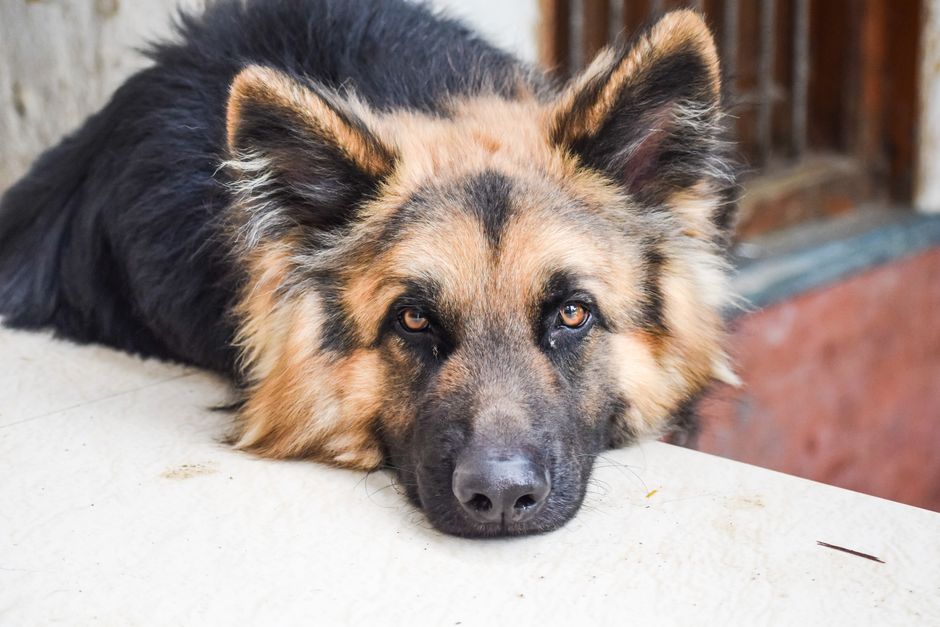
A senior German Shepherd resting comfortably, illustrating the importance of gentle, attentive care.
Urgent Call to Action: Secure Your Dog’s Vision by Consulting a Veterinary Eye Specialist
If you notice any signs of cloudy eyes, discomfort, or changes in your dog’s vision, it is an urgent call to action to consult a veterinary eye specialist without delay. Conditions like acute glaucoma can lead to irreversible blindness within hours, making immediate professional assessment critical. A specialist has the advanced diagnostic equipment and expertise to accurately diagnose complex eye problems and recommend the most effective treatment plan, preserving your dog’s vision and quality of life. Do not wait for symptoms to worsen; proactive engagement is the best defense against vision impairment.

An illustration of a dog owner consulting with a veterinary ophthalmologist, emphasizing urgent care.
Proactive Next Steps: Registering Your Dog with the Animal Eye Registry and More
Taking proactive next steps for your dog’s eye health extends beyond immediate treatment. Consider registering your dog with the Animal Eye Registry Foundation (OFA CAER), especially if your dog is a breed prone to hereditary eye diseases. This program helps track inherited eye conditions and contributes to healthier breeding practices. Beyond formal registries, ensure regular vet visits, provide a balanced diet rich in antioxidants, and protect your dog’s eyes from injury. For broader household needs, sometimes understanding services like efficient scrap car removal Brampton can streamline daily life, allowing more focus on pet care.

A dog wearing protective eyewear during an outdoor activity, promoting eye safety and care.
Top Resources and Recent Posts for Owners Dealing with Cloudy Eyes and Cataracts in Dogs
For owners navigating the challenges of cloudy eyes and cataracts in dogs, a wealth of top resources and recent posts can provide valuable support and information. Reputable veterinary ophthalmology websites, university veterinary teaching hospitals, and professional organizations often publish up-to-date research, treatment guidelines, and expert advice. Online forums dedicated to dog health and specific breed groups can also offer peer support and shared experiences. Always cross-reference information with your veterinarian to ensure it aligns with your dog’s specific needs. Staying informed empowers you to be the best advocate for your furry friend’s vision.

A collage of book covers and website logos representing top resources for canine eye care.


